


A guide to aroma, blending notes, and thoughtful use · Cynplicity
Essential oils are concentrated aromatic materials obtained from flowers, leaves, peels, woods, resins, and other parts of plants. They are valued in soap and personal-care products for their distinctive scents and the sensory character they bring to a finished formula.
The aroma of an essential oil may vary according to the plant species, plant part, growing region, harvest, extraction method, storage, and formulation. That variety is part of what makes working with plant-derived fragrance so interesting.
Safety notice: This article discusses aroma and cosmetic use—not medical benefits. Essential oils are concentrated, and “natural” does not automatically mean risk-free. Use finished products according to their labels. Do not swallow essential oils or apply undiluted essential oils directly to the skin. Avoid contact with the eyes and mucous membranes, keep concentrated oils away from children and pets, and discontinue use if irritation occurs. Ask a qualified healthcare professional before using concentrated essential oils if you are pregnant, nursing, taking medication, managing a medical condition, or selecting a product for a child.
Understanding Top, Middle, and Base Notes
Perfumers often describe aromatic materials as top, middle, or base notes. These terms describe how a scent is perceived as a blend develops—not how quickly an oil acts on the body.
- Top notes are usually noticed first. They often smell bright or fresh and tend to fade sooner.
- Middle notes form the heart of a blend and become more noticeable after the first impression softens.
- Base notes add depth and tend to remain perceptible longer, helping anchor the overall aroma.
An essential oil may fall between two categories, and its behavior can change depending on the other materials in a formula.
Quality and Identification
When evaluating an essential oil, useful information includes its common name, botanical name, plant part, extraction method, origin, batch or lot identification, storage instructions, and directions for use.
Essential oils and fragrance oils are different aromatic materials, but one is not automatically better or safer than the other. Essential oils are obtained from plant material. Fragrance oils are composed scent blends that may contain natural materials, synthetic materials, or both. Either may be appropriate depending on the desired aroma and finished product.
At Cynplicity, each formula determines whether an essential oil, a carefully selected phthalate-free fragrance oil, or a combination is used. The individual product description and ingredient list provide the best information about that product.
Essential Oils in Everyday Personal Care
In a soap or other wash-off product, essential oils contribute fragrance as the product lathers and rinses. Warm water can help the aroma become more noticeable, turning an ordinary wash into a simple sensory ritual.
Because finished formulas vary, always check the product page and ingredient list to determine whether a product contains essential oils, fragrance oils, or a combination.
Popular Essential Oils: Aroma and Blending Profiles
Jump to an oil: Basil · Clary Sage · Cinnamon · Tea Tree · Lemon · Peppermint · Frankincense · Lavender
Basil Essential Oil
Botanical: Ocimum basilicum
Typical plant part: Leaves and flowering tops
Approximate note: Top to middle
Bright and Green
Basil essential oil has a fresh, green, sweet-herbal aroma that may also have softly spicy or anise-like nuances. It brings a crisp botanical quality to a fragrance blend and pairs naturally with citrus, floral, and woody notes.
The chemical and aromatic profile of basil may vary by variety or chemotype, so the supplier’s botanical and technical information should be checked when formulating with it.
Clary Sage Essential Oil
Botanical: Salvia sclarea
Typical plant part: Flowers and leaves
Approximate note: Middle
Earthy and Balsamic
Clary sage has a distinctive herbaceous aroma with warm, balsamic, tea-like, and lightly nutty qualities. It can add richness to botanical blends without overpowering softer floral materials.
Its earthy profile pairs especially well with lavender, citrus, resinous, and woody aromas, making it a useful bridge between brighter top notes and deeper base notes.
Cinnamon Essential Oil
Botanical: Cinnamomum verum, also labeled Cinnamomum zeylanicum
Plant part: Confirm whether the oil is made from leaf or bark
Approximate note: Middle to base
The Spice of Life
Cinnamon essential oil offers a warm, familiar spice aroma. Cinnamon leaf oil tends to smell drier and more clove-like, while cinnamon bark oil generally has a sweeter and fuller cinnamon character. Because these materials differ, the exact plant part should always be identified.
Cinnamon adds warmth and depth to seasonal, resinous, citrus, and woody blends. Concentrated cinnamon oils can irritate the skin, so they should be used only in properly formulated products and according to labeled directions.
Tea Tree Essential Oil
Botanical: Melaleuca alternifolia
Typical plant part: Leaves
Approximate note: Middle
Fresh and Herbal
Tea tree essential oil has a crisp, herbal, camphoraceous aroma. Its distinctive scent is frequently used in nature-inspired cleansing and personal-care formulas.
It pairs well with citrus, eucalyptus, peppermint, rosemary, and other green herbal notes. This description refers to its aroma and use in cosmetic formulas; it does not imply that the oil treats acne, infection, or another medical condition.
Lemon Essential Oil
Botanical: Citrus limon
Typical plant part: Peel
Approximate note: Top
Brilliance
Lemon essential oil has a bright, sparkling peel aroma that gives blends a clean and lively opening. It works especially well with herbal, floral, mint, spice, and woody materials.
The extraction method matters. Some expressed citrus oils may increase sensitivity to sunlight when used in certain leave-on skin products. Safety directions should therefore be based on the exact oil, extraction method, concentration, and finished formulation rather than a blanket statement applied to every lemon-scented product.
Explore a Cynplicity soap made with lemon essential oil and select fragrance oils
Peppermint Essential Oil
Botanical: Peppermint and mint oils may come from different Mentha species; Cynplicity’s current Japanese Peppermint Essential Oil is labeled Mentha arvensis
Typical plant part: Leaves and flowering tops
Approximate note: Top to middle
Cool and Crisp
Peppermint essential oil has an intense mint aroma with a naturally cool sensory character. Even in small amounts, it can add a crisp, refreshing contrast to a blend.
Its aroma pairs well with rosemary, eucalyptus, tea tree, lavender, citrus, and selected woody notes. Concentrated peppermint oil should be kept away from the eyes and should not be applied to the face of infants or young children. Finished products should always be used according to their labels.
Frankincense Essential Oil
Botanical: Frankincense is obtained from several Boswellia species; Cynplicity’s current Frankincense Essential Oil from India is labeled Boswellia serrata
Plant part: Resin
Approximate note: Base
Resin and Ritual
Frankincense has a warm, resinous aroma with sweet balsamic, woody, and lightly citrus-like nuances. Resins from Boswellia trees have a long history of use as incense and aromatic materials.
In fragrance blending, frankincense contributes depth and persistence. It combines beautifully with citrus, lavender, spice, myrrh, and woody notes and can help connect brighter aromas with the base of a blend.
Explore Cynplicity Frankincense Essential Oil from India
Lavender Essential Oil
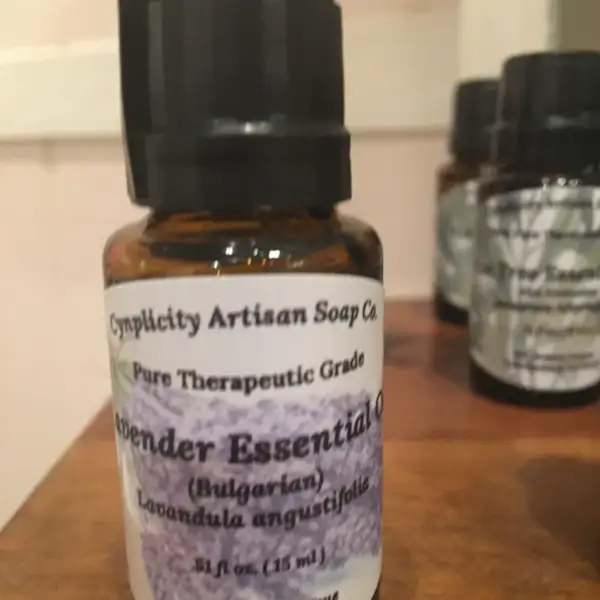
Botanical: Cynplicity’s current Bulgarian Lavender Essential Oil is labeled Lavandula angustifolia
Typical plant part: Flowers or flowering tops
Approximate note: Top to middle
Soft Floral
Lavender essential oil has a familiar floral and herbaceous aroma that may include sweet, green, fruity, or lightly camphoraceous notes. Its character varies by lavender species, growing location, and distillation.
Lavender blends naturally with citrus, herbs, florals, woods, and resins, which helps explain its long-standing popularity in soap and personal-care fragrance. Topical products containing lavender may cause an allergic skin reaction in some individuals, so products should be used as directed and discontinued if irritation develops.
Explore Cynplicity Bulgarian Lavender Essential Oil
Explore Essential-Oil Aromas
Selected Cynplicity products use essential oils to create their aromatic character, sometimes alone and sometimes alongside carefully selected fragrance oils. Review each product description and ingredient list to understand its particular formula.
Whether you enjoy crisp citrus, fresh herbs, cool mint, soft florals, warm spice, or deep resins, fragrance can turn a simple daily wash into a more enjoyable personal ritual.
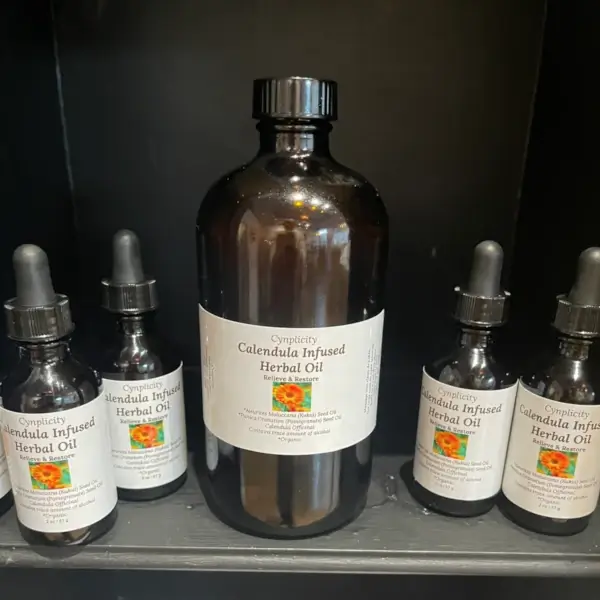
Explore Cynplicity Relief & Restore products